Communal Area Cleaning in Barnet
If you are looking for reliable communal area cleaning in Barnet, you are probably trying to keep shared spaces tidy, safe, and welcoming for everyone who uses them. In blocks of flats, converted houses, estates, mixed-use buildings, and managed developments, the condition of hallways, stairwells, entrance lobbies, lifts, and shared landings makes a big difference to how a property feels day to day. A well-kept communal space is not just about appearance; it also helps with hygiene, reduces complaints, and supports the overall value and reputation of a building.
Barnet has a wide range of property types, from larger apartment blocks around central areas to period conversions, suburban developments, and busy mixed residential buildings near high streets and transport links. That variety means shared spaces can become dirty quickly. Foot traffic, weather, bin handling, pets, prams, food spillages, and everyday use all add up. A local cleaning service understands these pressures and can keep communal areas in good condition without causing disruption to residents or business occupants.
Whether you are a property manager, landlord, freeholder, managing agent, resident association representative, or business owner, the goal is usually the same: a dependable cleaning routine that fits the building and keeps it presentable. Communal area cleaning in Barnet should feel organised, consistent, and tailored to the needs of your property, not treated like a one-size-fits-all job.
Why communal cleaning matters for Barnet properties

Shared spaces are often the first parts of a building that residents and visitors notice. Entrance areas, corridor floors, bannisters, internal windows, and lift buttons can quickly show signs of wear if they are not cleaned regularly. In buildings with multiple households, even small amounts of dirt can spread fast. Mud from wet shoes, dust from open doors, fingerprints on glass, and litter near entrances can all create an untidy impression.
For many Barnet properties, the cleaning needs are practical as well as visual. A clean communal environment supports better day-to-day living, particularly where older residents, families with children, and busy commuters share the same building. It can also help reduce odours, improve hygiene, and make maintenance issues easier to spot early. Regular communal cleaning means problems like spills, stains, or damaged fixtures are noticed before they become more difficult to deal with.
There is also a trust factor. Residents tend to feel more confident in a building that looks cared for. It suggests that management is attentive and that the property is being maintained properly. For landlords and agents, this can be especially important in rental buildings, where the state of common parts often influences tenant satisfaction and long-term retention.
What is included in communal area cleaning?
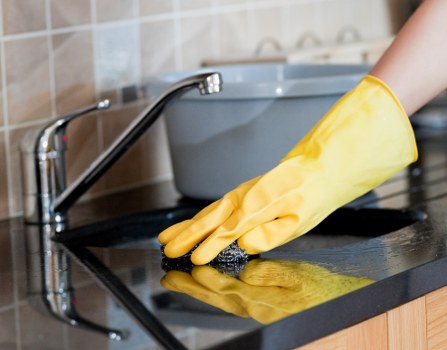
The exact service can be adapted to suit the size and layout of the building, but most communal area cleaning services include a combination of dusting, wiping, vacuuming, mopping, and sanitising touchpoints. The aim is to keep high-use shared areas looking neat and hygienic, while also protecting surfaces from long-term build-up.
Typical tasks may include:
- Cleaning entrance lobbies and reception-style areas
- Vacuuming and sweeping stairwells, landings, and corridors
- Mopping hard floors in shared hallways and access areas
- Wiping bannisters, handrails, and skirting boards
- Cleaning internal glass, mirrors, and low-level windows
- Sanitising door handles, switches, intercom panels, and lift buttons
- Removing cobwebs and surface dust from corners and high-touch areas
- Emptying communal bins where agreed
- Spot-cleaning marks on walls, doors, and frames
- Helping maintain a fresh, presentable appearance between deeper cleans
Some buildings need extra attention in certain areas, such as cycle stores, bin stores, shared utility spaces, or post rooms. In those settings, it is useful to have a cleaning plan that reflects how the property is actually used. A good local team will look at access, foot traffic, surface types, and resident expectations before setting the routine.
Local knowledge makes a real difference

Barnet includes busy neighbourhoods, quieter residential streets, and properties with very different access arrangements. Some buildings have straightforward entry points and internal staircases, while others involve secure fobs, limited parking, narrow access lanes, or multiple entrances. A local cleaner who works in the area regularly is better placed to plan around those practical realities.
For example, developments near busier roads or town centres can collect more dust and outdoor debris, especially in winter or wet weather. Buildings closer to transport routes may also see higher foot traffic and quicker wear on entrance floors. In suburban streets with parking restrictions or shared driveways, timing matters too, because cleaners need to arrive and work efficiently without inconveniencing residents or blocking access.
That is why Barnet communal cleaning is best delivered by a team that understands the area, the building type, and the way residents use the space. It is not only about turning up with supplies; it is about fitting the service around real-life conditions, keeping communication clear, and maintaining consistent standards over time.
Who uses communal area cleaning services?
Shared-area cleaning is useful for many types of customers across Barnet. In some cases, one property manager handles a portfolio of blocks. In others, a residents’ management company or landlord needs a reliable routine for a single building. Commercial customers also rely on these services where staff, tenants, and visitors use common spaces daily.
Common customers include:
- Managing agents responsible for apartment blocks
- Freeholders and landlords with multiple occupiers
- Residents’ associations and management companies
- Housing associations and estate managers
- Mixed-use buildings with residential and commercial access
- Business premises with shared internal corridors or welfare areas
- Converted houses with communal hallways and stairs
Communal area cleaning in Barnet is especially valuable where a property has several occupants but no full-time on-site staff. In those situations, a scheduled service helps keep everything in order without placing the burden on residents. It is a practical solution for maintaining standards, avoiding disputes over cleanliness, and making shared responsibilities easier to manage.
How the service works
A well-run cleaning arrangement should be straightforward from the start. The first step is usually to understand the building: how many floors it has, which areas are shared, how often they are used, and whether there are any specific concerns such as dust, litter, marks on walls, or frequent spillages. The cleaning routine can then be shaped to match the property rather than forcing the property to fit an inflexible schedule.
The process often includes a walk-through, discussion of priorities, and agreement on the areas and tasks to be covered. For larger blocks or buildings with complex layouts, it may be useful to separate weekly tasks from monthly or periodic tasks. For example, entrance floors and handrails may need frequent cleaning, while internal glass, skirting detail, or more detailed spot-cleaning may be scheduled less often.
Once the plan is agreed, the service should run consistently. That usually means arriving on the correct day and time, using appropriate cleaning methods for the surface type, and keeping a simple system for reporting anything unusual, such as damage, leaks, or persistent access issues. Reliability matters because communal cleaning is most effective when residents and managers know what to expect.
What a typical cleaning visit may include
Depending on the property, a visit might include a mix of quick maintenance tasks and more detailed cleaning. A small block may only need a brief but thorough clean, while a larger building could need a longer session with multiple floors and shared rooms.
- Arrive with the right equipment and access information.
- Inspect the shared spaces for immediate issues.
- Remove surface dust, litter, and visible marks.
- Vacuum or sweep floors and stairs.
- Mop hard surfaces using suitable products.
- Clean touchpoints and sanitise frequently handled areas.
- Check communal fixtures such as mirrors, glass, and internal doors.
- Complete any agreed bin or overflow-area tasks.
- Flag anything that needs attention from management or maintenance.
This approach keeps the service practical and transparent. It also makes it easier for property managers and residents to understand what is being done and why it supports the building as a whole.
Why choose a local company in Barnet?

Choosing a local company for communal area cleaning in Barnet can be a major advantage. Local teams tend to be more familiar with the building stock, the parking situation, and the rhythm of the area. They are also better placed to respond when schedules need adjusting around access restrictions, resident meetings, refurbishments, or seasonal issues like wetter weather and heavier footfall.
There is also convenience in working with a team that already understands Barnet’s neighbourhoods. From apartment buildings near major roads to quieter residential roads with limited stopping space, a local cleaner is less likely to waste time figuring out logistics and more likely to arrive prepared. That often translates into a smoother experience for residents and building managers alike.
Local knowledge is especially useful when cleaning has to be carried out with minimal disruption. Some blocks prefer early morning service; others want work done mid-day or between resident patterns. A local provider can often make these arrangements more flexible because travel time, parking, and site familiarity are easier to manage.
Benefits of regular communal area cleaning

Regular cleaning provides more than just a neat appearance. It supports the whole experience of living or working in a shared building. When common parts are looked after properly, residents are more likely to take pride in the property, visitors get a better first impression, and management has one less recurring issue to chase.
Key benefits include:
- A cleaner, more welcoming entrance and circulation space
- Improved hygiene in high-touch areas
- Less dust and debris build-up in corners and on surfaces
- Reduced risk of unpleasant odours in shared parts
- Better presentation for landlords, agents, and occupiers
- Easier identification of maintenance problems
- More consistent standards across the building
- A calmer and more orderly living environment
For many customers, the biggest benefit is peace of mind. If the communal parts are being cleaned regularly, there is less pressure on residents to keep checking or reporting basic cleanliness issues. That can reduce friction and make the building feel more professionally managed.
Buildings and property types we can help with
Barnet includes a broad mix of properties, and that means shared cleaning needs can vary a great deal. Some buildings need careful attention to older finishes and delicate surfaces, while others are modern and benefit from routine maintenance across many floors. A flexible service is important because no two buildings are quite the same.
Examples of property types that often need communal cleaning include:
- Purpose-built apartment blocks
- Converted Victorian and Edwardian houses
- Modern residential developments
- Mixed-use properties with shared entrances
- Housing association blocks
- Private rental buildings with multiple occupiers
- Office or business premises with shared access areas
Where there are different surface materials, such as carpeted stairs, tiled lobby floors, painted walls, or glass entrance panels, the cleaning approach should be adjusted accordingly. Professional communal cleaning is not just about removing dirt; it is also about protecting the property and avoiding damage caused by unsuitable products or techniques.
Access, parking, and practical considerations
One of the most important factors in Barnet is the practical side of getting the job done. Some properties have easy access, but others involve controlled entry, limited waiting space, or nearby parking constraints. Cleaning should be organised with those realities in mind so the service is smooth for everyone involved.
It helps when the cleaner understands whether keys, fobs, codes, or porter instructions are involved, and whether there are specific times when access is easier. In some buildings, residents may be at work during the day, while in others there may be more people at home, so timing must be chosen carefully. A good arrangement avoids unnecessary disturbance, especially in buildings with shared hallways and thin walls where noise can carry.
Managers often appreciate a provider that can work efficiently around these details. That means bringing the right equipment, keeping the visit focused, and adapting to any site-specific rules. In busier parts of Barnet, this can make the difference between a service that feels effortless and one that causes recurring hassle.
Pricing factors to consider
It is natural to want a clear idea of cost when arranging communal cleaning. Exact pricing usually depends on the size of the building, the number of floors, how often cleaning is needed, and what tasks are included. Rather than focusing only on price, it is often more helpful to compare the overall value of a service and whether it fits the property properly.
Common pricing factors include:
- Number of communal areas to be cleaned
- Frequency of visits required
- Size and condition of the building
- Level of detail needed in each visit
- Whether consumables or specialist products are included
- Access arrangements and time constraints
- Any additional tasks such as bin store cleaning or internal glass
If a building has frequent use or recurring issues, a more regular clean may offer better long-term value than occasional reactive cleaning. It is often more efficient to maintain standards consistently than to allow dirt to build up and then require a more intensive clean later. If you are arranging shared area cleaning in Barnet, request a free quote based on the actual layout and needs of the property so the service can be matched properly.
What preparation is helpful before the first visit?
Most of the work can be handled by the cleaning team, but a little preparation can help the first visit go more smoothly. This is particularly useful if the building has complicated access or if there are resident instructions to follow.
A simple preparation checklist might include:
- Confirming which areas are included in the service
- Sharing access details and any building rules
- Identifying the preferred cleaning days or times
- Noting any sensitive surfaces or problem areas
- Clearing away personal items from shared spaces where possible
- Making sure bins, doors, or shared cupboards are accessible if they are part of the clean
- Pointing out any ongoing maintenance issues that should not be mistaken for cleanliness problems
When expectations are clear from the outset, the service can run more efficiently and with fewer interruptions. That is useful for both residents and building managers, because it keeps everyone on the same page and reduces the chance of misunderstandings later on.
Areas covered in and around Barnet
Communal cleaning needs across Barnet can come from a wide range of neighbourhoods and nearby localities. Because the borough includes different building styles and access conditions, it is often helpful to work with a team that can cover surrounding areas as well as central Barnet locations.
Service coverage may commonly extend to nearby districts such as:
- High Barnet
- East Barnet
- New Barnet
- Totteridge
- Whetstone
- Finchley
- Mill Hill
- Edgware
- Hendon
- Colindale
This wider local reach is useful for property managers handling multiple buildings in different parts of the borough. It also means a cleaner can adapt to varied property layouts and neighbourhood access conditions without changing the quality of service.
Frequently asked questions
How often should communal areas be cleaned?
The right frequency depends on how busy the building is and what type of property it is. A small block with lighter use may only need weekly cleaning, while a larger or busier building may need more frequent visits. Shared spaces with heavy foot traffic, lift use, or frequent litter problems usually benefit from a tighter schedule.
Can the service be tailored to a specific building?
Yes. That is one of the most important parts of good communal cleaning. Different buildings need different task lists, cleaning intervals, and access arrangements. A tailored plan is usually the best way to keep standards consistent without paying for unnecessary work.
What if residents leave items in shared hallways?
That is a common issue in communal buildings. Cleaners can work around the space they are given, but the best results come when shared corridors and stairwells are kept clear. If items regularly block access or prevent effective cleaning, it may need to be raised with the relevant management party.
Do communal cleaning services cover bin stores and entrance mats?
They can, if that is agreed in the service plan. Bin stores often need particular attention because they can build up odours and spills. Entrance mats also collect a lot of dirt and should be cleaned or maintained regularly to help protect the rest of the building.
Can cleaning be arranged around residents and businesses using the building?
Yes, and this is often essential in Barnet’s mixed-use properties. Cleaning can usually be scheduled to reduce disruption, whether the building is mainly residential, partly commercial, or accessed by a mix of tenants, staff, and visitors.
Is it better to have regular cleaning or occasional deep cleaning?
Regular cleaning is usually the foundation, because it keeps the building presentable and prevents build-up. Deep cleaning can then be used periodically for areas that need extra attention. For most communal spaces, a regular schedule is the most practical approach.
Choosing the right communal cleaning partner
When selecting a provider, it helps to look for more than just availability. You want someone who understands the difference between a quick tidy and proper shared-area maintenance. The best choice is usually a team that can communicate clearly, work consistently, and adapt to your building’s needs without creating extra work for you.
Things worth considering include whether the provider is familiar with local access challenges, whether they can handle different property types, and whether they are prepared to clean to a standard that suits both residents and management. It is also sensible to ask what tasks are included, how the service is scheduled, and how issues are reported if something unexpected is noticed during a visit.
If you are comparing options for communal area cleaning in Barnet, look for a service that feels practical, dependable, and easy to manage. The goal is to keep shared spaces clean all year round, not just after a one-off visit. A strong routine, delivered by a local team, can make a noticeable difference to the whole building.
Book your communal area cleaning service
If your building needs a dependable cleaning routine for shared entrances, corridors, stairwells, or other common parts, now is a good time to arrange a proper plan. Whether you manage a small converted property or a larger residential block, a local service can help keep standards high and reduce everyday hassle.
For communal area cleaning in Barnet, the most useful next step is to request a free quote, discuss your building’s needs, and set up a schedule that fits how the property is actually used. Contact us today to talk through your communal cleaning requirements, or book your service now if you already know what the building needs.