Health and Safety Policy for Cleaners Barnet
 Cleaners Barnet is committed to maintaining a safe, healthy, and well-managed working environment for all cleaning activities. This health and safety policy sets out the standards, responsibilities, and working practices that help protect staff, clients, visitors, and anyone affected by cleaning operations. Whether working in homes, offices, or communal spaces, every cleaner is expected to follow safe systems of work and use equipment responsibly.
Our approach to cleaning safety is based on prevention, awareness, and consistent training. Cleaning tasks may involve wet floors, chemical products, lifting, repetitive movement, electrical equipment, and contact with potentially contaminated surfaces. These risks are manageable when the correct procedures are followed. The purpose of this policy is to reduce harm, support good practice, and ensure that all work is completed with care and professionalism.
 We expect all personnel to take personal responsibility for safe behaviour. This includes using appropriate protective equipment, reporting hazards promptly, and stopping work if conditions become unsafe. A strong safety culture depends on everyone acting attentively and speaking up when improvements are needed. In this way, cleaners in Barnet can carry out their duties efficiently while protecting their own wellbeing and that of others.
All cleaning assignments must begin with a brief assessment of the environment and any obvious risks. Surfaces should be inspected for slip hazards, broken items, exposed wires, sharp edges, or unstable furniture. If a task requires specialist handling, the work should only proceed when the correct tools and controls are available. Risk awareness is essential for safe cleaning and helps prevent avoidable incidents.
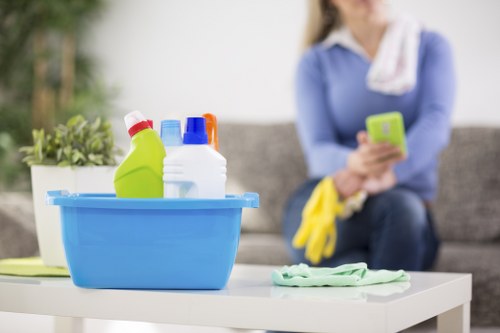
Cleaning products must be used exactly as instructed by manufacturer guidance and internal procedures. Products should never be mixed unless approved, and containers must remain clearly labelled. Whenever possible, products should be chosen for their effectiveness and safety profile. Suitable ventilation should be maintained when using sprays, disinfectants, or stronger agents. Personal protective equipment such as gloves, aprons, or eye protection must be worn when required.
 Equipment safety is equally important. Mops, vacuums, machines, and extension leads should be checked before use, kept in good condition, and stored properly after the job. Defective equipment must be removed from service until repaired or replaced. All electrical items should be used carefully, away from standing water where possible, and handled only by trained personnel. Safe equipment use protects both workers and property.
Manual handling is another key area of this policy. Cleaning staff may need to move bags, bins, furniture, supplies, or machines. These tasks should be planned to reduce strain and avoid injury. Where loads are heavy, awkward, or unstable, assistance should be requested. Proper posture, controlled movement, and sensible pacing are essential. Repetitive tasks should also be rotated where practical to reduce fatigue.
We also recognise the importance of hygiene and infection control. Hands should be cleaned regularly, protective gloves should be changed when necessary, and contaminated waste should be handled according to the relevant procedure. If a cleaner is exposed to bodily fluids, hazardous contamination, or an unusual substance, the area must be secured and the issue reported immediately. Good hygiene practices are central to maintaining safe conditions in every cleaning environment.
Supervision, communication, and training support the effective application of this policy. New staff should receive induction covering hazards, emergency arrangements, product use, and reporting procedures. Refresher training should be provided when tasks change or if performance indicates that additional support is needed. Managers are responsible for encouraging safe working habits and making sure policies remain practical and understood by all team members.
Emergency procedures must be followed without delay if an accident, fire, spill, or other serious incident occurs. Staff should know how to raise an alarm, isolate hazards where safe to do so, and leave the area if required. First aid arrangements should be available, and incidents should always be recorded and reviewed so that lessons can be learned. This helps professional cleaners improve future safety and prevent recurrence.
 This policy applies to all routine and specialist cleaning tasks undertaken by our teams. It is reviewed regularly to ensure it remains suitable, proportionate, and aligned with current best practice. If any part of a worksite presents an unacceptable risk, the task may be delayed, modified, or declined until safe conditions are restored. Protecting people is always more important than completing a job quickly.
 By following this policy, Cleaners Barnet reinforces a clear commitment to safe, responsible, and reliable service delivery. Every cleaning task should be completed with attention to detail, proper preparation, and respect for health and safety standards. Through teamwork, vigilance, and consistent standards, we create a safer environment for everyone involved.